
What San Antonio Home Sellers Need to Know About Pricing in 2025–2026
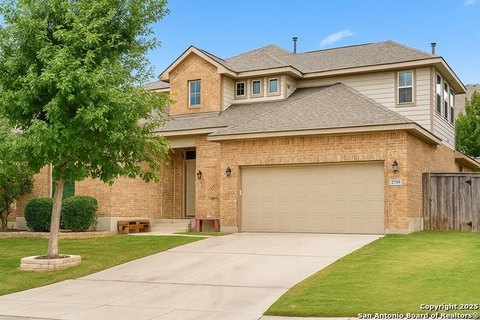
How should a homeowner in San Antonio price their property for sale in today’s market?
Successful home pricing in late 2025 and early 2026 requires a detailed, data-driven strategy. With shifting market dynamics, accurate pricing—based on recent sales, active competition, and appraisal-level adjustments—is essential for attracting qualified buyers and maximizing value.
Understanding the San Antonio Market in Late 2025
As the local housing market heads into 2026, San Antonio sellers are operating in a more balanced environment than previous years:
- Inventory has increased, giving buyers more choices.
- Over 80% of homes are selling below asking price, according to Axios San Antonio.
- Price growth has slowed, and homes are spending longer on the market in many areas.
This means sellers must now approach pricing with precision and a clear understanding of market expectations.
A Proven Pricing Method Used by Local Real Estate Experts
- Start with the Right Market Area
The pricing process begins by identifying the most relevant market segment for the home:
- Comparable properties within the same neighborhood are prioritized whenever possible.
- If inventory is limited, comparable homes from nearby communities with similar age, size, amenities, and lot characteristics are used.
This localized approach ensures price recommendations reflect true buyer behavior in that area.
- Analyze Sold Properties from the Past Six Months
Recent sales—also known as "comps"—offer the strongest indicator of current home values. Homes that have closed in the past six months are analyzed for:
- Square footage and floor plan
- Condition and level of updates
- Days on market and final sale price
- Buyer concessions, if any
This data establishes a clear pricing baseline, aligning with how appraisers and buyers evaluate homes.
- Review Active Listings and Current Competition
In addition to past sales, it’s essential to consider what buyers see in real time:
- Similar homes currently on the market (active listings)
- Pending sales that indicate what’s attracting offers
- Price-per-square-foot trends within the neighborhood
This step ensures the home is positioned competitively among active inventory, which is especially important in a slower-paced market.
- Evaluate Expired and Cancelled Listings
Not every home sells—and understanding why is key. Analyzing expired and cancelled listings helps identify:
- Pricing thresholds that buyers reject
- Overpricing patterns or failed listing strategies
- Gaps in presentation or marketing that may have hindered a sale
This prevents repeating costly mistakes and helps narrow in on a realistic pricing window.
- Adjust for Size, Features, and Condition
Even among comparable homes, every property has unique characteristics. The next step involves making adjustments based on:
- Home size: larger or smaller square footage than nearby comps
- Upgrades and renovations: kitchens, bathrooms, roofs, HVAC systems
- Floor plan and style: single-story vs two-story, open vs traditional layouts
- Amenities: pools, outdoor living spaces, garage configurations
- Lot orientation and location within the community
These refinements mirror how appraisers determine value, ensuring the pricing recommendation is rooted in industry standards.
- Determine the Optimal Listing Price and Strategy
After adjusting for all factors, an informed listing price range is established. The selected price depends on:
- The home’s condition relative to competition
- Seller priorities (speed vs highest possible return)
- Current buyer demand and time of year
In today’s market, most buyers are unwilling to negotiate from inflated starting prices. Strategic pricing from day one leads to stronger showings, more interest, and better offers.
- Monitor Market Response and Stay Nimble
Once listed, continuous monitoring of showings, feedback, and competing listings allows for agile strategy adjustments. If the market shifts or buyer activity slows, timely changes to price or presentation keep the listing competitive.
Why This Process Matters in 2025–2026
In the current San Antonio housing market, the margin for pricing error is slim. Overpriced homes are more likely to sit, eventually requiring price reductions that hurt seller leverage. Pricing aligned with local data and buyer expectations helps:
- Shorten time on market
- Attract serious buyers early
- Reduce negotiation pressure
- Maximize final sale price
A detailed approach like this one helps sellers avoid guesswork and list with confidence.
In a market that rewards accuracy over ambition, a clear pricing strategy rooted in real-time local data is essential. Sellers in San Antonio who want to stand out—and sell on the best possible terms—need more than just an estimate. They need a pricing plan that reflects current buyer behavior, competitive trends, and their home’s unique strengths.
Get a Custom Pricing Plan
For homeowners ready to sell in the San Antonio area, a personalized pricing analysis can provide clarity and confidence.
Mark Stillings, Associate Broker, M.B.A
210.772.3123
mark@markstillings.com
TikTok
Instagram
YouTube
Reach out today for a free, no-obligation home pricing consultation based on the most current data available.
Categories
Recent Posts