
Is It Better to Buy New Construction or Resale in San Antonio Right Now? (2026 Strategy)
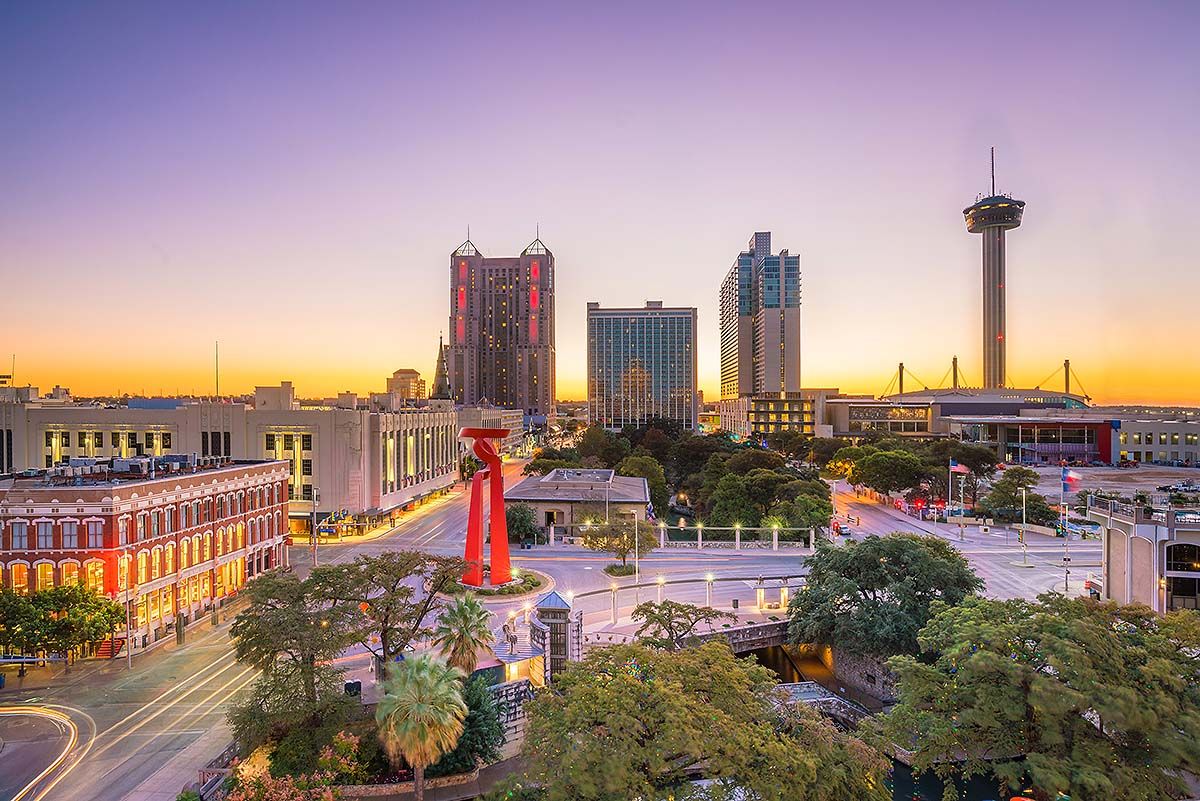
If you are currently searching for a home in the San Antonio market, you have likely noticed a major shift in the real estate landscape. The chaotic, hyper-competitive days of wild bidding wars and waived appraisal protections are firmly in the rearview mirror. As we move through 2026, the latest data from the San Antonio Board of REALTORS® (SABOR) confirms that we are operating in a remarkably Balanced Market.
With 6.09 months of inventory available across the metro area, the market has officially reached a point of equilibrium. Buyers finally have the luxury of choice and time, with homes averaging 87 days on the market.
This abundance of options introduces a classic, high-stakes question for intentional buyers: Is it better to buy new construction or a resale home in San Antonio right now? With 19 years of local experience helping families navigate the San Antonio corridors of Stone Oak, Alamo Ranch, and Kinder Ranch, I analyze this choice not just as a lifestyle preference, but as a long-term wealth strategy. Let’s break down the true costs, hidden variables, and financial advantages of new construction vs resale San Antonio.
The New Construction Advantage: The Incentive Trifecta
There is an undeniable allure to being the first person to turn the key in a front door. In the 2026 balanced market, production and semi-custom builders are competing aggressively for your business. Because builders must maintain their construction velocity and move inventory, they are offering historic concessions that individual sellers simply cannot match. If you are looking at new construction, your strategy should focus heavily on the builder incentives San Antonio companies are deploying right now.
1. Significant Interest Rate Buydowns
The most powerful tool in a builder’s arsenal today is the financing buy-down. Many national and regional builders operate their own in-house mortgage companies, allowing them to offer financing structures far below standard market rates. It is common to secure a permanent rate reduction or a 2-1 temporary buydown funded entirely by the builder. This strategy directly lowers your monthly payment, saving you hundreds of dollars every month and shielding you from interest rate volatility.
2. Fully Paid Closing Costs
Bringing cash to the closing table is one of the biggest hurdles for today's buyers. To remove this friction, builders are frequently offering to cover 100% of your closing costs—including loan origination fees, title policies, and escrow pre-pends. For military families undergoing a Military PCS move to JBSA-Lackland or Fort Sam Houston, combining a VA loan with paid closing costs means you can often walk away from the closing table having spent next to nothing out of pocket.
3. Included Luxury Appliance Packages
Historically, items like refrigerators, washers, and dryers were considered "buyer expenses" after closing. In 2026, builders are regularly throwing in premium appliance packages as a closing incentive. This saves you an immediate $3,000 to $5,000 post-move-in expense, allowing you to keep your savings intact for blinds, landscaping, or furniture.
The Resale Counterpoint: Location, Capital, and Tax Firewalls
While new homes shine in the financing incentives column, established resale properties in mature master-planned communities hold distinct advantages regarding long-term land value and tax structures.
1. The True Value of Location and Maturity
New construction communities are almost exclusively located on the expanding outer fringes of Bexar County due to land availability. Buying an established resale property often places you closer to major employment hubs, medical centers, and top-tier school districts like NEISD or NISD. You also inherit mature trees, established neighborhood amenities, and a track record of resale value new homes Texas metrics that a brand-new subdivision has yet to prove.
2. Navigating the New Construction Tax Trap
This is where an unrepresented buyer can make a devastating financial error. Many new construction communities sit within specialized boundaries known as Municipal Utility Districts (MUDs) or Public Improvement Districts (PIDs). These districts levy additional tax assessments to pay for the area's infrastructure, which can inflate your total tax rate to 2.5% or 2.8%+.
Conversely, established resale homes typically feature lower, more stable property tax rates around 1.9% to 2.2%. In San Antonio, where the April 2026 median sales price sits at $307,000, a 0.6% difference in tax rates can equal an extra $150 to $200 added to your monthly mortgage payment.
How Mark Stillings Helps You Navigate the New Construction Process
Many buyers assume that walking into a builder’s model home without an agent will save them money. In reality, the on-site sales counselor is a professional contractually obligated to represent the builder's best interests—not yours. The builder's pricing model already accounts for buyer representation, meaning you do not get a discount for going unrepresented; you simply give up your leverage.
Here is exactly how I guide you through the process of purchasing a brand-new home to ensure you walk away with the highest possible value:
-
The Incentive Audit:
-
-
Builders have different "buckets" of money depending on whether a home is a dirt-build or a quick move-in inventory home. I analyze their neighborhood absorption rates to determine exactly how much leverage we have to demand max rate buydowns, design center credits, and appliance packages.
-
-
Phased Inspection Oversight:
-
-
As a TREC Certified Instructor, I prioritize structural education. I ensure we hire an independent, third-party inspector to review the construction at three critical milestones: the pre-pour (before the concrete foundation is laid), the pre-drywall (inspecting framing, wiring, and plumbing plumbing lines), and the final walkthrough.
-
-
Contract Navigation:
-
-
Builder contracts are entirely different from the standard Texas Real Estate Commission (TREC) residential forms. I utilize my M.B.A. training to review the earnest money terms, construction timeline contingencies, and warranty parameters so your earnest deposit is fully protected.
-
-
The Final Walkthrough Punch-List:
-
-
Before you sign the final closing documents, I walk the property with you and the builder’s superintendent to identify cosmetic blemishes, mechanical misalignments, or missing items, ensuring the builder honors their commitment before they receive their funding.
-
The Strategy for 2026 Buyers
According to April 2026 SABOR statistics, 67.53% of all sales in San Antonio are occurring between $200,000 and $499,999. This is the hyper-competitive engine of our local economy. Because 93.3% of homes are selling close to their original list price, the data tells us that the market has found a stable floor.
If you need to minimize your upfront out-of-pocket costs and want an aggressively subsidized interest rate, new construction is an incredibly strong vehicle right now. However, if you want closer proximity to the city center, a lower property tax burden, and a larger lot size, an established resale home remains the superior long-term equity play.
Navigating these choices requires a data-first approach. Let’s sit down, review the neighborhood-specific statistics, and build a plan that maximizes your financial future.
Authored By Mark Stillings
Mark Stillings, Associate Broker, M.B.A. TREC Certified Instructor | Military Relocation Professional (MRP) Real Broker LLC Direct Line: 210.772.3123
Email: mark@markstillings.com
Connect with Me Online: * TikTok: @markstillingsrealtor
-
Instagram: @mark_stillings
-
YouTube: @markstillings
Categories
Recent Posts

Homes Are Still Selling – Even in a Slower Market

Why There are More Homes for Sale Right Now (and What It Means for You)

Why Most People Are Still Glad They Bought a Home

Renovate or Relocate? What To Know Before You Decide To Age in Place

Myth vs. Reality: Does the Fed Control Mortgage Rates?

Should I Sell First or Buy First in San Antonio?

Two Moves That Can Get You Into Your First Home Sooner

What Higher Mortgage Rates Mean for Home Sellers

Hoping for (or Dreading) a Housing Crash? The Experts Just Weighed In.

The Mortgage Rate You See Online Isn’t Necessarily the One You’d Get.